The COVID-19 Pandemic: A Setback in the Fight Against Plastic
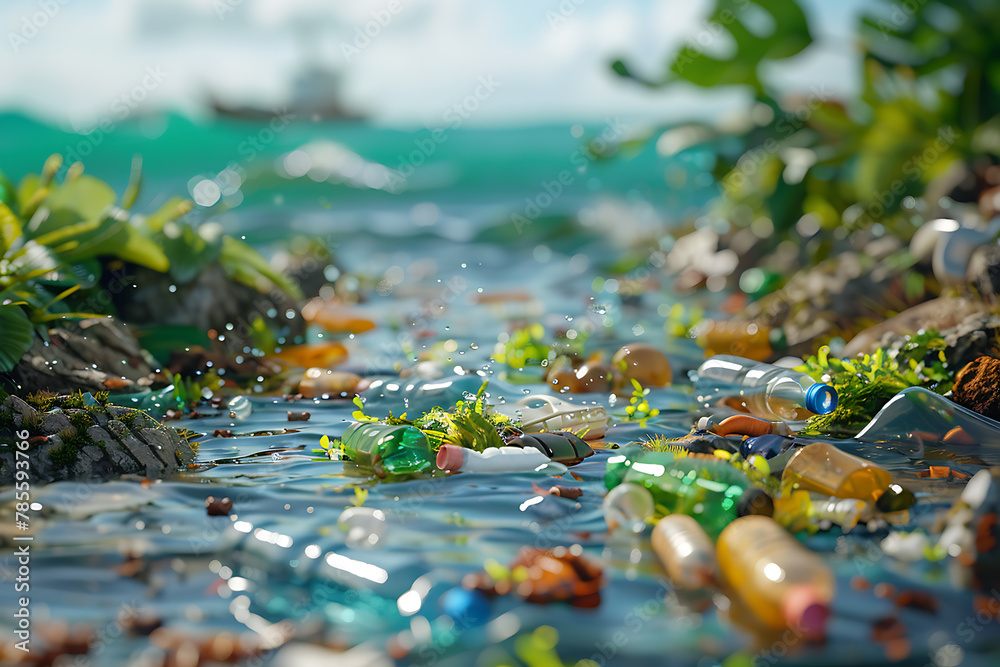
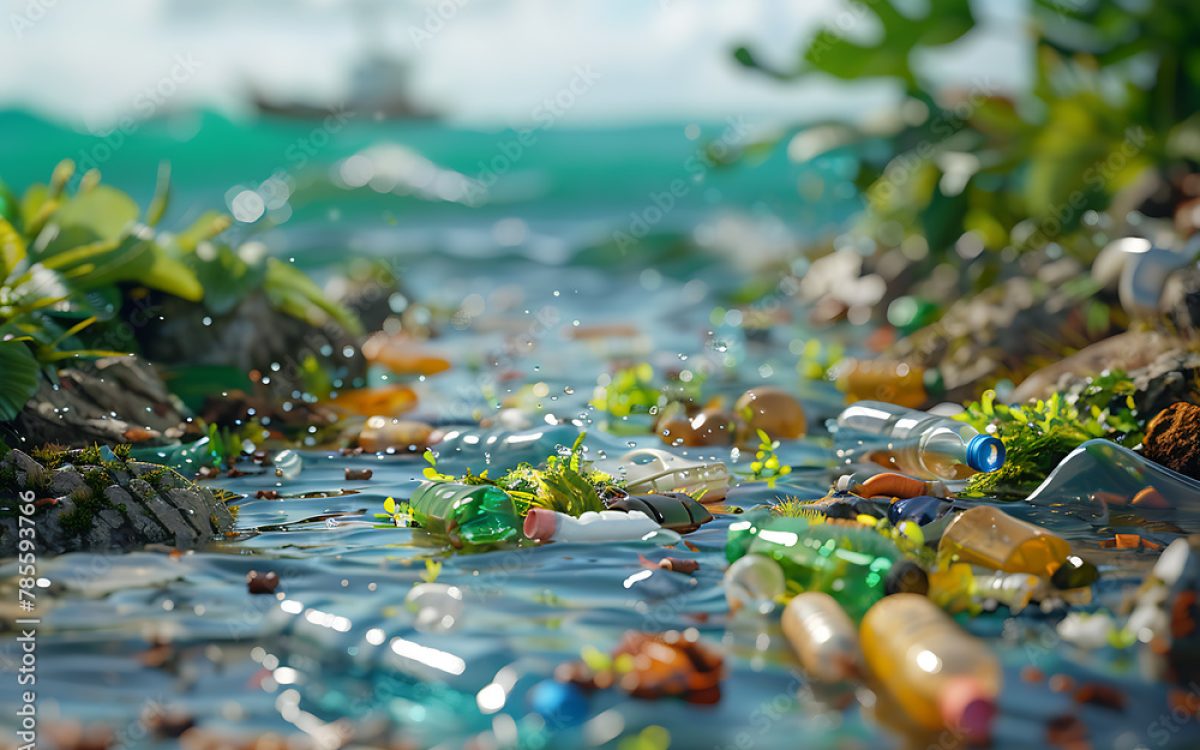
The years leading up to 2020 witnessed a global surge in initiatives aimed at reducing plastic consumption and promoting sustainable waste management. India was no exception, with measures such as bans on single-use plastics, recycling programs, and the promotion of a circular economy gaining momentum. However, the COVID-19 pandemic disrupted this progress, leading to a dramatic increase in plastic use, particularly in the hygiene sector.
India’s Mounting Sanitary Waste Challenge
India, now the world’s most populous nation, faces a growing sanitary waste management crisis. With an estimated annual generation exceeding 500,000 metric tons, sanitary waste poses a significant environmental threat. The situation is further compounded by rapid urbanization, which strains existing waste management infrastructure.
The Complexity of Sanitary Waste Recycling
While recycling is a crucial aspect of waste management, sanitary waste presents unique challenges. Its complex composition and potential biohazards make recycling difficult and limit widespread adoption. Although some companies are exploring innovative recycling solutions, the industry remains in its early stages.
The Imperative for Eco-Friendly Innovation
The post-pandemic surge in plastic consumption and the challenges associated with sanitary waste recycling underscore the urgent need for eco-friendly hygiene products. Product development teams must prioritize sustainable design and incorporate innovative materials and technologies.
The Role of Government Support
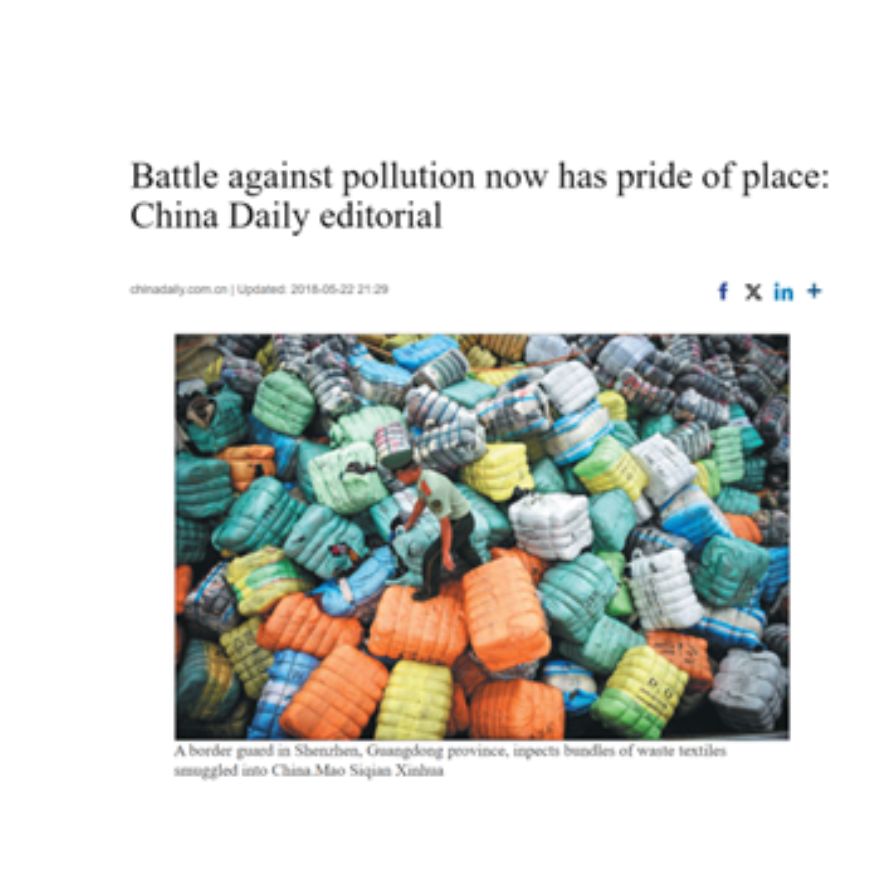
Government initiatives and policies play a crucial role in driving the adoption of eco-friendly practices. By providing incentives, supporting research and development, and implementing regulations, governments can foster innovation and encourage businesses to prioritize sustainability.
Strategies for Eco-Friendly Hygiene Products
Several approaches can contribute to the development of eco-friendly hygiene products:
- Increased Natural Materials: Utilizing biodegradable and renewable resources can reduce reliance on synthetic materials.
- Compostable Materials: Designing products from fully compostable materials can facilitate their safe return to the environment.
- Accessible Composting Solutions: Providing consumers with convenient composting options can encourage responsible disposal.
- Recycling and Upcycling: Designing products with recyclability and upcycling in mind can promote a circular economy.
Conclusion: A Collective Responsibility
Addressing the urgent need for eco-friendly hygiene requires a collaborative effort. Product designers, manufacturers, governments, and consumers must work together to promote sustainable practices and reduce the environmental impact of hygiene products. By embracing innovation and prioritizing environmental responsibility, we can pave the way for a cleaner, healthier future.